Artist Spotlight

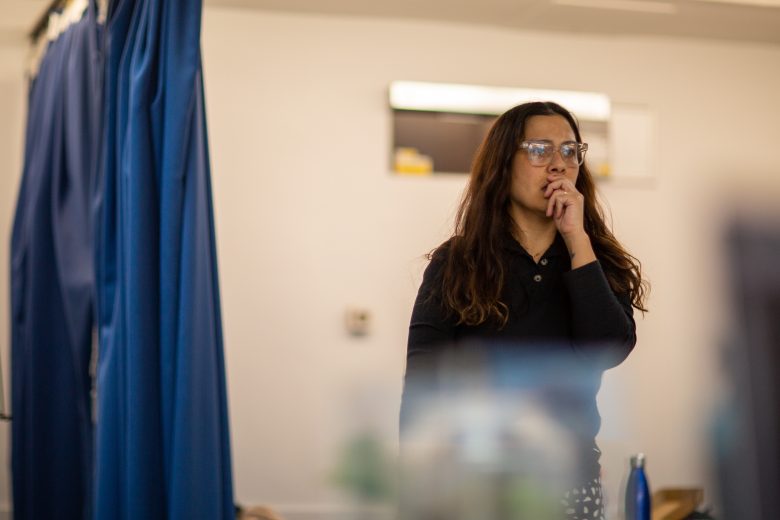
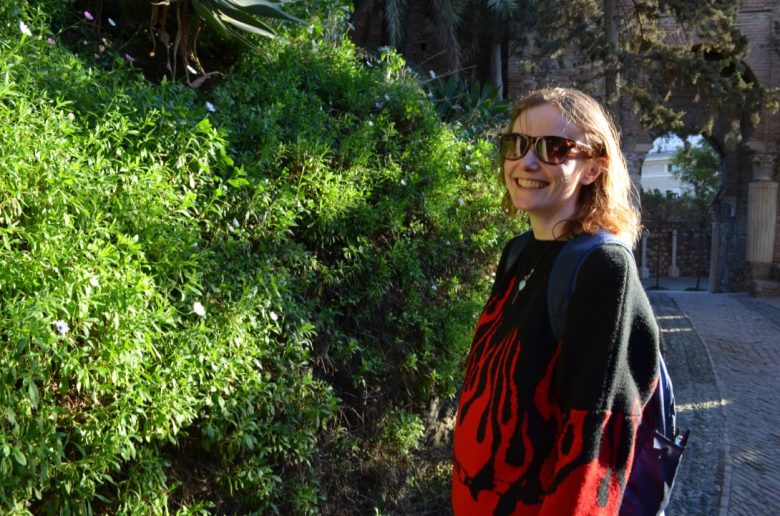
Artist Spotlight: Zia Álmos Joshua

Our fourth artist spotlight is on Zia Álmos Joshua [X] (neutral pronouns) who has a unique position on the Dysbiosis project as the only member of the team who has joined remotely for both R&D weeks. Currently doing their PhD in Texas, Zia has been our academic consultant and human encyclopedia on the project.

Can you give us a quick intro to yourself, your research and your creative practice?

I am a researcher, educator, writer, performer, and activ-ish, born and raised in Brixton, London, UK, currently studying for a PhD at Rice University, in Houston, Tx, USA. My research is focused on posthumanism, and the social, political, and philosophical dimensions of taxonomy, ecology, biology, emergent technology, and consciousness, with these also shaping my creative work (autotheory; poetry; prose; performance art). I am dedicated to teaching and education, and spent the 6 years prior to my PhD at the Linnean Society of London and Wellcome Collection, working in science communication and public engagement.

What does ‘dysbiosis’ mean to you?

Dysbiosis to my mind is a complicated term; it technically means a dysregulation in the/a microbial community (the microbiota or microbiome) of the human body, one that we ordinarily live in a mutualistic-symbiotic relationship with, but for whatever reason is out of wack, and so the health of the body is compromised. How I like to think about it, is imagining the Earth and its ecosystems as kinds of bodies with well-regulated mutualistic-symbiotic relationships, and that we are presently entering a stage of existence where a lot of human-related activities and processes have pushed the boundaries of what those various bodily entanglements can tolerate, and the planet itself, or various parts of it, are entering into dysbiosis, ecosystems out of wack, spiraling out of balance.

Artist Spotlight: Yael Elisheva

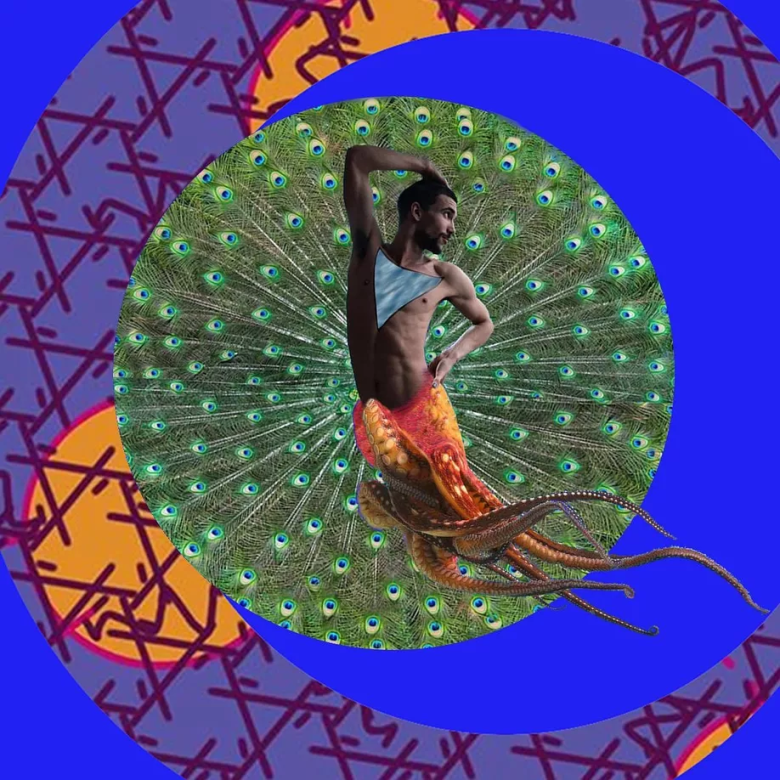
We met up with the Dysbiosis team again for a second week of R&D at Queens Theatre Hornchurch two weeks ago. Our third spotlight is on theatremaker, physical performer, drag artist, drama facilitator and many more things Yael Elisheva. They often work in Jewish spaces and use their artistic practice as a means of examining Jewish culture and religion.

What is your relationship with nature?

In my work, I play with found objects and explore how they can be used unconventionally and with multiple purposes. I grew up observing the sabbath, which gave me a strong connection to nature and rest and play. In today’s Western society – our relationship with rest is often viewed as lazy. I’d love to challenge that and offer rest as a means of rejuvenation for our planet.

How do queerness and nature intersect?

When I first heard of different animals and plants that are constantly changing genders like oysters and mushrooms, I felt so validated in my own gender expression. 

How does your heritage influence the way you view/value nature?

As a jew, I have rituals and prayers that revolve around nature and gratitude for nature. I have been specifically interested in how the Jewish sabbath embodies an attitude of rest which allows nature to rest as well. 

Were any aspects of the project new to you (e.g. devising collaboratively, doing an R&D, working with a designer-led company) and if so, what did you expect coming in?

Artist Spotlight: Tasnim Siddiqa Amin

Tell us about yourself and your creative practice.

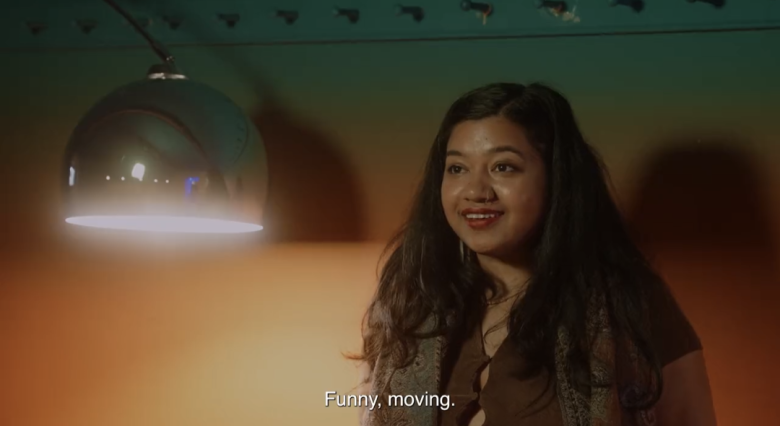
I’m Tasnim, a queer Bangladeshi-British woman from East London and I am a visual artist, theatremaker and writer. I am Assistant Producer/Director for Daedalus Theatre Company. 

What does queer ecology mean to you?

I don’t do very well with long words haha but after spending a week unpacking and consistent Googling I would say queer ecology describes a critical, intersectional and decentralised approach in the way we look at how people, plants, animals and smaller organisms interact with their environment, both locally and globally.

What did you discover about yourself and the way you work during the Dysbiosis R&D week?

I discovered that I really thrive in pressured creative environments bouncing ideas of creatives from different disciplines. It dawned on me that to pursue a project you don’t need to have it all figured out, having an idea is good enough. I never knew I could work with venues this way, the way Paul was doing, to say hey I have an idea and I want to bring along a bunch of people that I’ve never met from different creative disciplines in a rehearsal room at your theatre and see what happens. 

Artist Spotlight: Kathryn Webb

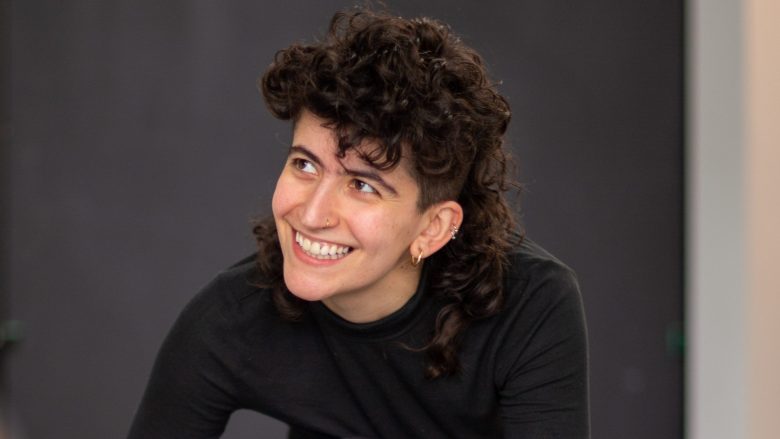
While we prepare for the next stage of Dysbiosis, our journey through queer ecology and environmental justice at Queens Theatre Hornchurch, we’re introducing some of the amazing artists we’re privileged to work with on the project. First up is Kathryn Webb.


Tell us about yourself and your creative practice.

Hi! My name is Kathryn and I’m a queer, neurodivergent, working-class creative from Cranham. Ever since I can remember, I’ve always been into ‘making things’. In primary school, me and my bestie used to shoot our own version of Doctor Who, complete with ketchup blood, on a camcorder in his back garden. Nowadays my creative output spans theatre, film, poetry and anything in between. I’ve been mentored by Sky Arts, Creative England, Rianne Pictures, and made a short film for the BBC100 Project. My work stems from an interest in marginalised voices, folklore, and queerness. Previous theatre work has been staged at Theatre503, Arcola, Golden Goose, Pleasance, and Omnibus.

What does queer ecology mean to you?

To me, queer ecology is about questioning what we take for granted when we think of nature, science and reproduction. Unpacking the colonialism and white supremacy of the ‘truths’ we’ve been given and expanding our horizons to see beyond binaries. Nature is brimming with examples of queerness – it’s no joke that we’ve always been here and always will. Through this process, I’ve been empowered to challenge the notion that we exist to procreate.