Tag Archives: folk music

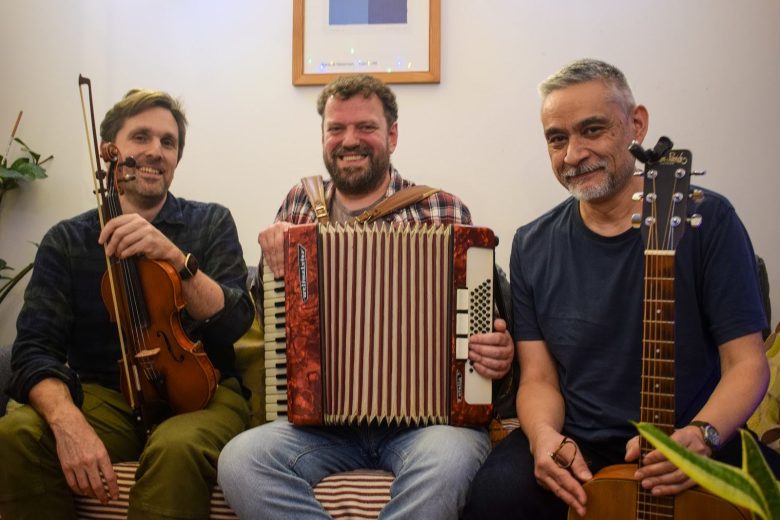
Artist Spotlight: The Black Smock Band


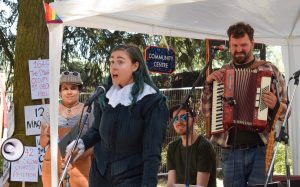
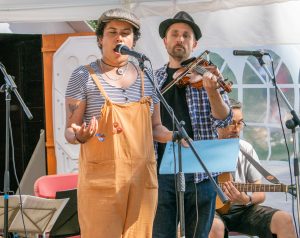
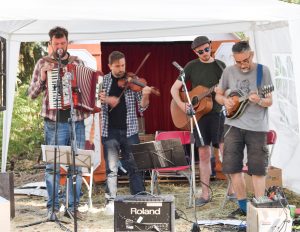
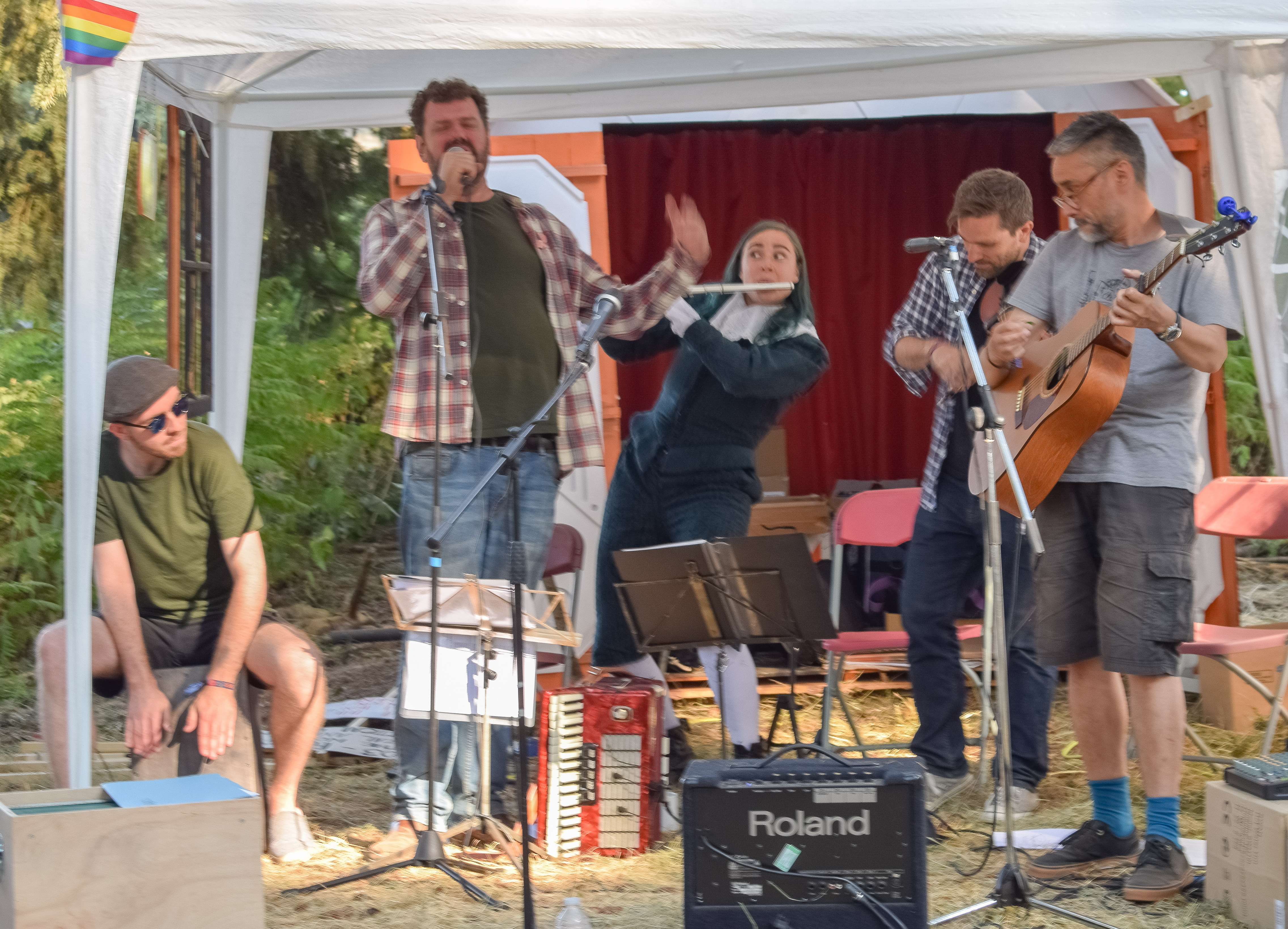
Daedalus Theatre Company and the Black Smock Band have worked together on many projects. You may recognise our director, Paul Burgess, as one of the members of the band! After years of collaborations, we think it’s time to spotlight the band in their own right. Grab a cuppa and settle in because it’s a read as heart-warming as the band’s music, which incidentally, you can hear live – and sing along with – on Wednesday 22nd April 2026 at Camden People’s Theatre. Book your tickets for QUEER REVOLUTIONARY SINGALONG now:

Tell us about yourself and your creative practice.

Andy Bannister: In addition to being a musician, I’m a visual artist and a tutor working in higher education. I teach on a fine art course where I mainly work with students who focus on sculpture and combined media- this reflects what I do when I’m in my studio. In my current work, I’m exploring the impact of science and technology on culture and society, with a focus on the widespread civil opposition to the nuclear arms race during the Cold War period. There’s a crossover here with my activities as a musician, in terms of my interest in the role of folk music within protest movements and the emphasis on stories of resistance within the folk tradition.

Dan Cox: I’m a tour guide, writer, singer and accordionist. In all my roles, I am principally interested in telling stories. Stories can be told in all sorts of ways, including through music. Emotions connect all of us. We all feel happy, angry, sad, excited and so on, and music can tap directly into all those feelings. In everything I do, I try to reach into the human experience and convey those emotions through whichever medium I am working in.

Paul Burgess: I’m a theatre-maker and musician, with an interest in co-creative practice, ecological thinking and queerness. I trained as a theatre designer and regularly design shows, especially for Deafinitely Theatre, but have also directed devised projects for Daedalus such as Selfish, A Place at the Table and Dysbiosis. My idea of directing, however, is about creating conditions for creativity, rather than telling people what to do. Alongside this, I’m a co-director of Ecostage, the Society of British Theatre Designers’ sustainability lead, and an MSc student at the Centre for Alternative Technology.

What is the Black Smock Band?

PB: We’re South-East London’s premier gay, ecosocialist folk band… probably? That said, when we started, we were probably the UK’s only gay, ecosocialist folk band. Now, for all we know, they’re two a penny.

What is behind the name of the band?

AB: The name relates to the LGBTQ folk nights that the band grew out of. A good friend of ours (and founding member of the group, who now lives in Galicia) ran the folk nights in her flat in Vauxhall, which she used to re-name as ‘The Black Smock Inn’ on the occasions that it took place, just for the fun of it- when we decided that we were a group we needed a name so ‘The Black Smock Band’ seemed kind of logical at that point, and we’ve stuck with it.

How did you join the Black Smock Band?*

AB: Paul and Dan had known each other and played together for a while before I met them, at one of the folk nights that I turned up at – the band grew out of those sessions in quite a natural way.

DC: Back in the mists of time, I was a member of a queer walking group. One of the other members and I got chatting about folk music and they invited me to a “folk feast” at their place. I met several musicians and had a great time singing with them. We were then asked to perform at a pub a few weeks later, so realised we would have to become a band! Initially there were four of us. There have been a couple of line-up changes, but Paul, Andy and I have all been there since the start and are now the only ones left!

PB: As Andy and Dan said,  we were all going to the same queer folk nights and the band sort of accidentally formed out of that. A few of us fell into doing music together, then a local pub asked us to play. And we thought, ‘oh, we must be a band now then!’

For those who aren’t familiar, what is English folk music? Why does this musical genre speak to you?

DC: English folk music is the music of the common people of England, mostly prior to the 20th century. It was played on whatever instruments people had to hand and sung by people who worked the land or in the mines and factories that powered the Industrial Revolution. Some songs go back as far as the 13th century, but the main bulk of English folk is from the Victorian age. However, the folk tradition continues strongly and new material is being produced by a huge diversity of artists to this day.

The history of England is often told through stories of Kings and Queens and Great Deeds, but there is another story of hardship, joy, love, despair and everything in between of the common, ordinary people. Their stories weren’t often written down, but they were sung, and many of those songs are still remembered today, thanks to people who collected those songs and preserved them – like John Clare. When I sing those songs, I am helping to preserve the memories of the people of England who are usually forgotten by “history”.

Could you share with us a favourite Black Smock Band memory?

AB: Playing at St Botolph’s Church in Helpston, Oxfordshire as part of the John Clare Festival a few years ago. We had been interested in John Clare’s poetry and his activities as a song collector for a while beforehand, so it was great to play at a festival held in his honour.

DC: It’s hard to choose anything specific, but those moments of community where voices come together, and music links us together, are hard to beat.

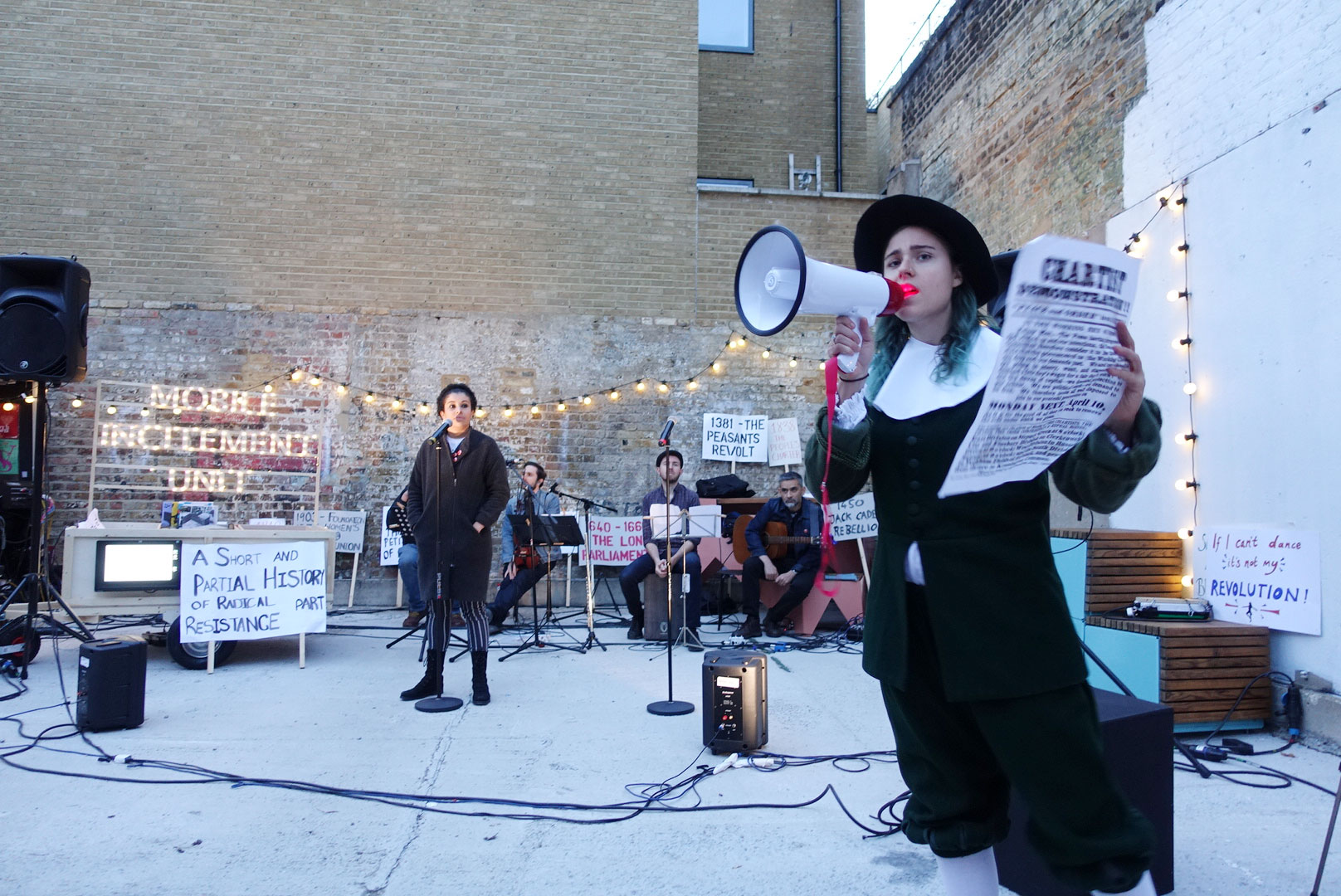
PB: The funniest might be when, due to a double booking, we ended up playing in a pub full of football fans, who we somehow managed to convert into ardent queer folk music fans. Probably only very temporary fans, mind you. One of the most profound things for me, though, was bringing Daedalus and the band together to create Gerrard Winstanley’s True and Righteous Mobile Incitement Unit, our gig theatre piece about the history of protest.

What is queer culture?

DC: Queer culture is often depicted in the media as being a very specific, stereotypical kind of culture – what most people think of as “the scene”, but there is much more to it than that. There’s nothing wrong with being a part of that mainstream scene, of course, but it was never somewhere I felt comfortable. When I met the other guys in the band, I finally felt I had found a little home in my own comfortable corner of “Queer culture”. Queer people often grow up feeling very isolated. For me, coming from rural Suffolk, it was a very lonely experience, so to find a sense of community with like-minded queers was a fabulous, life-affirming thing. Queer culture is hard to define, but it can be life-saving for the lonely.

PB: I don’t think one can define queer culture beyond saying it’s culture created by queer people that in some way engages with queer experience. And it’s essential to create space for this in our hetronormative society. For us, though, the initial aim was not so much to do with queer culture per se but to create a space where queer people could enjoy folk music in ways that felt safe and relevant. Now, with the world as it is, it feels more important to make that queerness more up front and political.

How powerful is live music? 

AB: Playing live is really important in terms of forming a direct connection with an audience. When the mood is right, there can be a sense that people are actively listening to (and watching) what you’re doing on stage, and as a performer, you can really respond to this in the moment- so each performance is slightly different, depending on the audience and the environment you’re playing in. And it’s always great when people sing along to the words or decide to get up and dance…

DC: Live music can be incredibly powerful as a way of bringing people together in community, even if they’ve never met before. To sing and dance together is one of life’s greatest joys, and that’s how I want people to interact with us when we perform. It’s not about just getting up on a stage and singing and playing at people – it’s about coming together to sing, dance and feel the connection with one another.

PB: Before mass media, communities had to make their own entertainment. Live music was central to that, and that’s where folk music comes from. That need has never fully gone away – and in some places, like Ireland, that has continued to flourish, but for a while, I think it’s fair to say, it was pushed to the margins in England by top-down culture and mass media. A lot of the folk tradition, including much of the music, has been lost. Now, corporate media threatens to overwhelm us, to strip us of individuality, and take away our ability to tell fact from fiction, or human-made from AI. I think this means live music, and especially grassroots live music, i.e., music that is not under corporate control, suddenly seems really important again.

Can you recommend a folk song that speaks to our times?

AB: There’s a song written by John Connolly, which was recorded by the folk duo Jimmy Aldridge and Sid Goldsmith a few years ago, titled ‘The Last Ploughshare’, which is about the consequences of the exploitation of the natural world for profit throughout history. It’s a powerful contemporary folk song that directly addresses the most pressing issue of our time.

DC: A song we keep coming back to is the Diggers’ Song, written by Gerard Winstanley as his ragged band tried to build a socialist utopia in Surrey in the aftermath of the first English Civil War. They were crushed by Cromwell’s men and their dream destroyed, but their spirit lives on. In these times, their message of community and organisation against the truly horrific things that still happen in this world remains as important as ever. War, poverty and all manner of horrors still dog humankind, but there is hope as long as people can still come together to sing and join in community.


Join the band for a gig and singalong at Camden People’s Theatre on Wednesday 22nd April 2026 at the Camden People’s Theatre.

Book your tickets for QUEER REVOLUTIONARY SINGALONG here:

Daedalus returns to Camden People’s Theatre with QUEER REVOLUTIONARY SINGALONG featuring The Black Smock Band

Daedalus returns to Camden People’s Theatre 15 years after their acclaimed immersive documentary drama A Place at the Table, to present QUEER REVOLUTIONARY SINGALONG with ecosocialist folk band The Black Smock Band. 

Join us this April for fiery folk tunes and leftie singalong classics, from ‘Bread and Roses’ to ‘Solidarity Forever’. Bring your singing voice and your revolutionary fervour! There will also be a limited number of floor spots. If you have a song that fits the vibe, and you’d like to share it, get in touch with the band via this link.

Call Out for East Music 2

Musicians! You’re invited to East Music: Song and Tune Exchange Session at Poplar Union on Saturday 6 July

Reserve your free space here

After an incredible pilot session, we are thrilled to be back at Poplar Union for a Summer Edition this July. 

Bring your instruments and voices along with songs or tunes from across the world to play, sing and share. There may be an opportunity to play to a live audience later in the evening.

This is a free, friendly and inclusive session for players of all levels of experience. Global Majority* and LGBTQ+ music makers are particularly welcome. The session will be led by one of our East musicians.

Date: Saturday 6th July 2024

Time: 4-6.30PM

Duration: 2.5 hours including a 30 minute break

Location: Poplar Union

Ages: 18+

(Im)Mobile Incitement

We should be on tour now with Gerrard Winstanley’s True and Righteous Mobile Incitement Unit. Today we would have been at Slung Low’s venue The Holbeck. Slung Low’s work during the pandemic has been a source of inspiration nationwide, and it’s hard to think of a better place for a piece of theatre that’s all about reclaiming the collective, progressive side of England’s chequered past. Hopefully we can be there in 2021.

Health and the preservation of life obviously come first so we’re happy to postpone. But one of the ironies of the situation is that the original version of Mobile Incitement, made well before the first case of Covid-19 was detected, was an outdoor show and naturally quite socially-distant. Not only our subject matter but our format are truly of our time! Still, we need to be confidently past the worst of the pandemic before we can tour. John Ball, during the Peasants’ Revolt, famously declared that “Now is the time”. But right now, no, it isn’t.

We need your help

We had to stop everything at the beginning of lockdown, including our fundraising. We applied for emergency funding but didn’t get it. We’re holding fire on our touring show Mobile Incitement. But, with so many people isolated by coronavirus and its knock-on effects, this is absolutely the right time for our storytelling project, East.

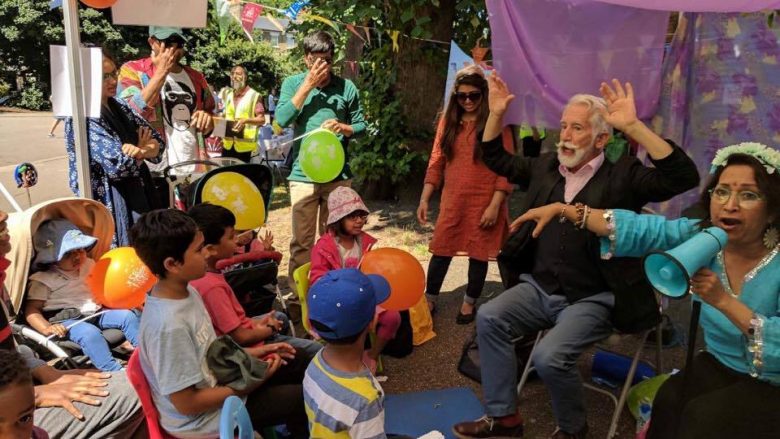
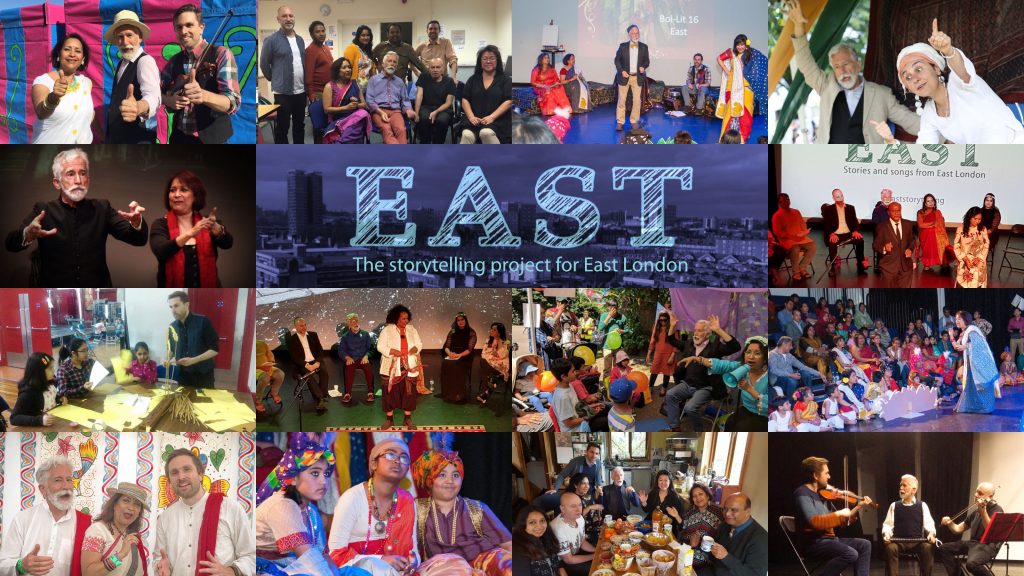
The whole East project is about bringing people together, creating links between different communities, and sharing stories and songs. It’s about friendship, sharing and multiculturalism, and the way songs and stories can help us deal with what the world throws at us. It’s not on a huge scale and may not sound grand – it certainly doesn’t seem to appeal much to major funders – but we believe it’s very valuable work. East London is home to an extraordinarily diverse range of people, but many folks don’t really know others outside their own communities, at least not socially. It’s also a place where wealth and poverty, privilege and marginalisation, and indeed tolerance and bigotry, sit side by side. And it’s a place facing many threats and challenges that would benefit from greater solidarity and co-operation. The need to build bridges, share experiences and learn from others is clear. We think that the exchange of stories and songs, and, more importantly, the learning and re-telling of each other’s stories and songs, is a richly rewarding way to address this need.

But, although lockdown is easing, our normal format – bringing people together around a table with food and singing and stories – is still a long way from being viable. So we’ve come up with a plan to move the project online. Some of it is straightforward, such as adding to our online archive so as to make more material available in the absence of live events, but some is more exploratory. We’re not exactly sure how best to reconfigure our gatherings but we have lots of ideas to try, and by the end of this project we’ll be able to take our work forward in new ways that will be valuable even when live events are possible again. “Resilience” is a word that is perhaps overused at the moment, but that’s exactly what this particular stage in the life of East is about.

We’ve launched a crowdfunding appeal to make all this happen. It only seems right for a project so embedded in our communities to be supported by our communities. Please take a look at our video and then click through to our crowdfunding page.

Our promo video for the new online East

If you can give, please do. But whether or not you donate, do please spread the word. It may sound like a cliche, but it really does make a difference!

https://www.crowdfunder.co.uk/eaststorytellingonline

Photos: Mobile Incitement at Latitude

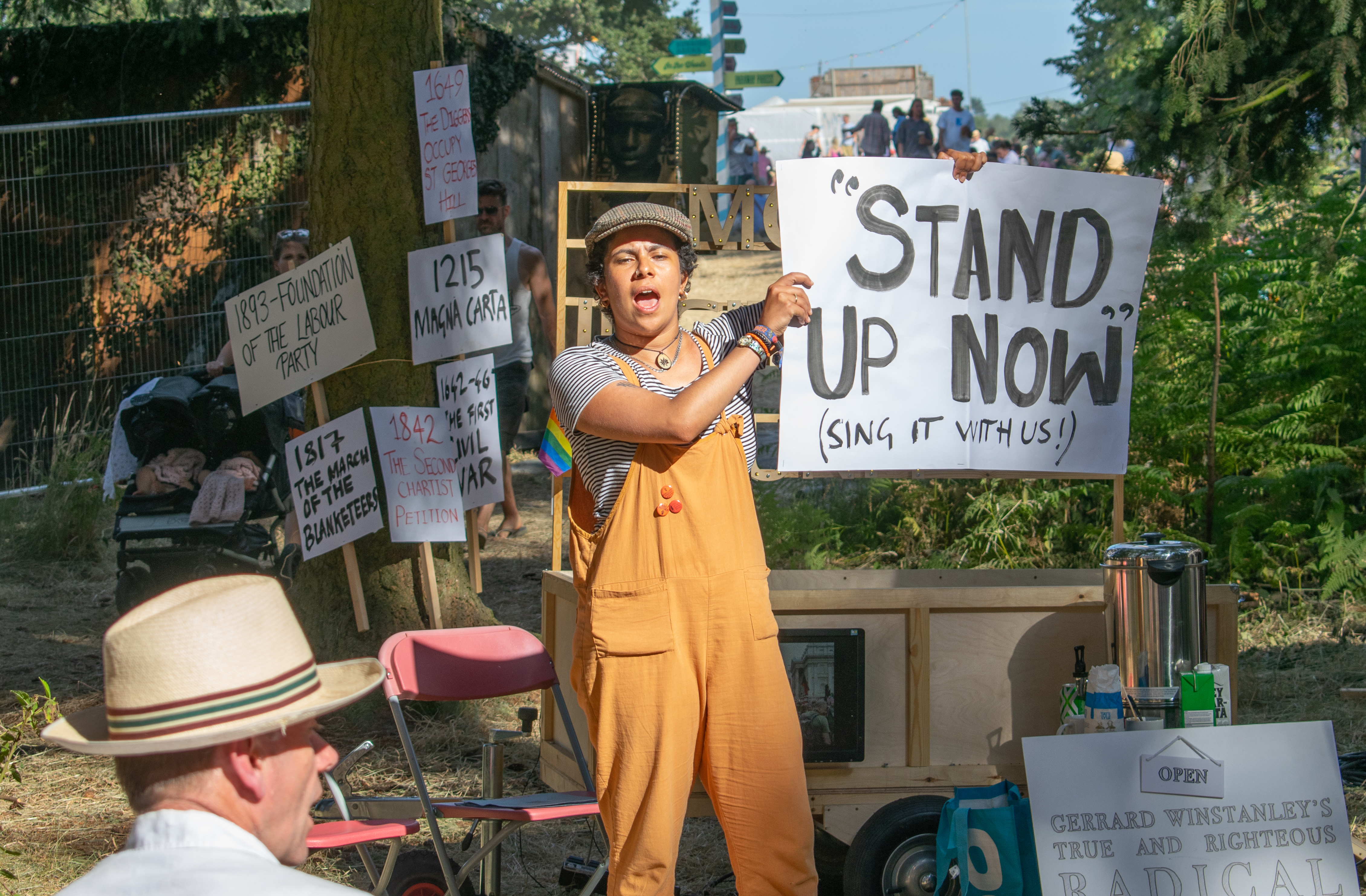
Andy and Payam took some great photos of our performance at Latitude.  Here’s a selection. You can see more here.

Project details are all here.

Thanks, Latitude!

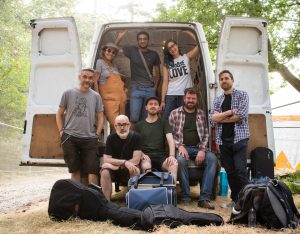
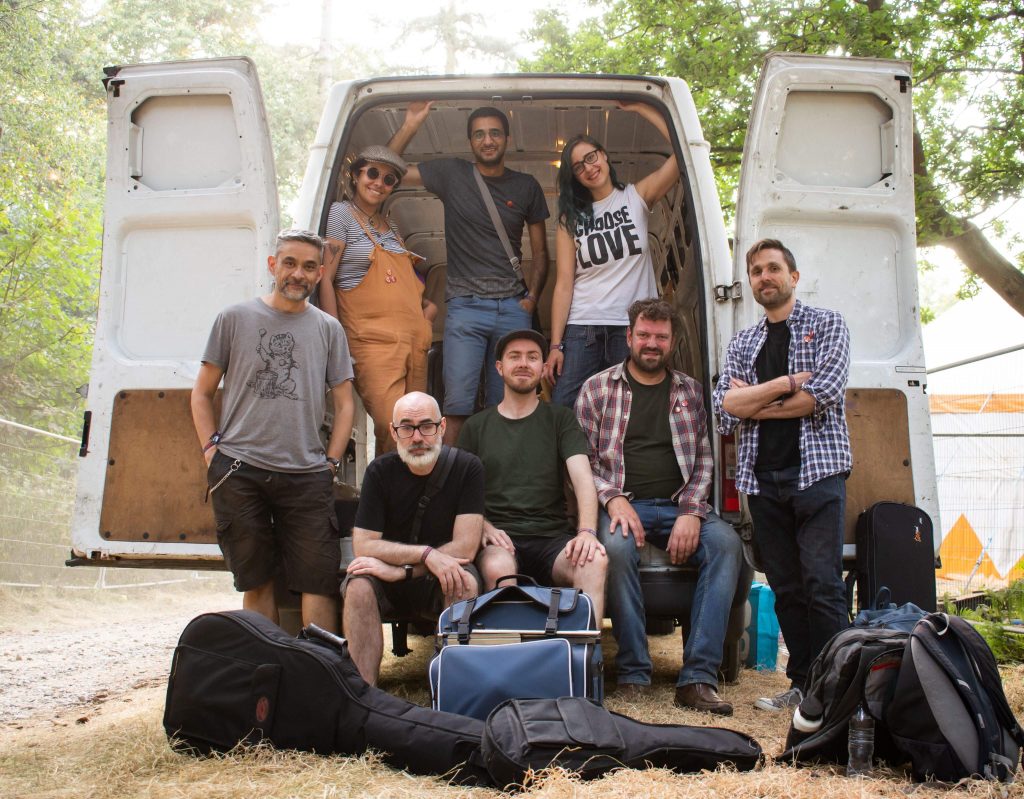
In the van, left to right: Sarah Jeanpierre, Payam Torabi and Rhiannon Kelly. In front of the van, left to right: Andy Bannister, Martin MacFadyen, Matt Beattie, Dan Cox and Paul Burgess.

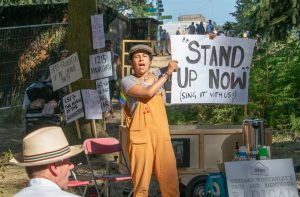
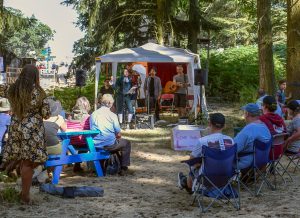
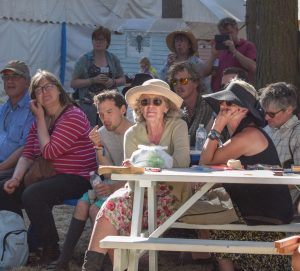
Well, that was amazing. Huge thanks to Latitude Festival  for giving us, along with our project partners Rua Arts and The Black Smock Band, the chance to bring Gerrard Winstanley’s True and Righteous Mobile Incitement Unit (aka ) to the festival. Thanks also to Ovalhouse, who commissioned it in the first place, and to Queen Mary University of London who supported the development of our participation programme. Last but not least, thanks to all the lovely people who joined us in the Faraway Forest and shared their experiences and knowledge. Ye noble Diggers all, stand up now!

SaveSave

SaveSave

#MobileIncitement

A raucous folk gig, a community-centred political gathering and a bold reclamation of England’s radical history… It’s…

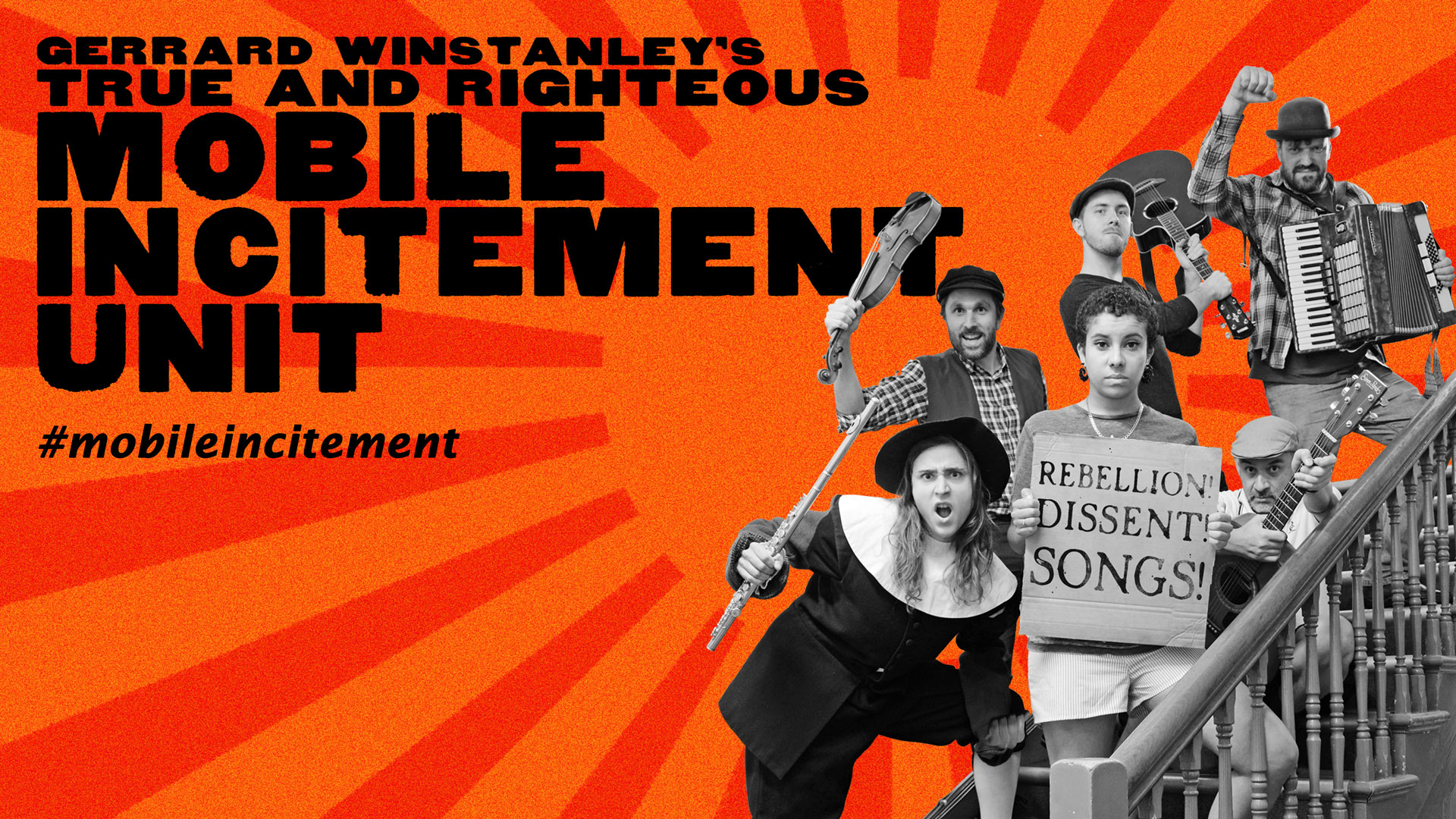
GERRARD WINSTANLEY’S
TRUE AND RIGHTEOUS
MOBILE INCITEMENT UNIT

Made with Rua Arts and The Black Smock Band, Mobile Incitement (as we call it for short – #mobileincitement on social media) was commissioned by Ovalhouse and shown at Brixton City Festival. Its participation programme was then developed at Queen Mary uni, prior to a show at Poplar Union. It’s then at Latitude Festival before touring late 2018 into 2019. Get in touch to book us or find out more or, if you’ve seen it, give us your feedback: www.daedalustheatre.co.uk